Author Archives: Gordon Rogers

Beans

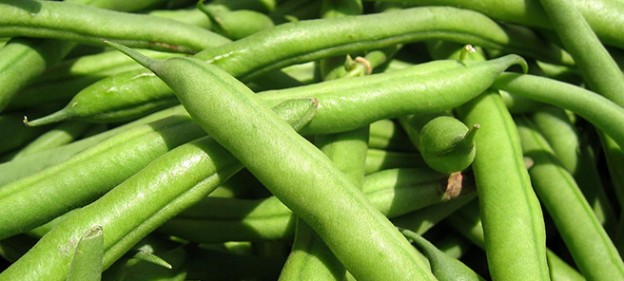
Beans require a fairly narrow temperature range in order to maximise productivity.  Yields can be 6t/ha at optimum temperatures of 15-21C.

Above 28oC, pollen viability is decreased resulting in flower bud drop and reduced pod formation. Pods are also more likely to be fibrous, lacking good flavour and texture. Temperatures below 10C result in poor root system development and reduced photosynthesis, potentially halving total yield.

Long term breeding programs for beans could improve climate tolerance:

  • There is scope to breed for improved drought tolerance with better root systems.
  • In the tropics, French beans (Phaseolus vulgaris) can be replaced by snake beans (Vigna unguiculata) which are more tolerant to high temperature.
  • There has already been some breeding for high and low temperature tolerance by the USDA.


Broccoli

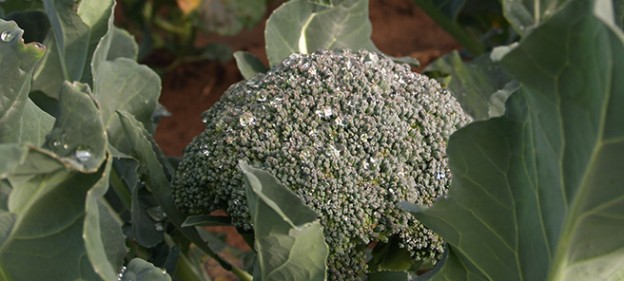
The main production areas for broccoli are in Victoria and SE Queensland. Production has declined since 2005, but now appears to be remaining steady at about 45,000 tonnes per year. The crop is highly temperature-sensitive but there are a large number of varieties that have been bred for specific production environments. Optimal temperature ranges include:

  • 21-22C  –  early maturing, hot weather types
  • 17-18C  –  transition varieties fr spring and autumn production
  • 4-5C   –  cool climate varieties

Broccoli can tolerate temperatures of 30-32C so long as night temperature fall to at least 15C. However, yield may be reduced by up to 45% due to problems including: blindness, brown head, bracting in the head, catseye, uneven floret size, uneven cluster development, loose clusters. Often varieties that will grow in hot weather do not have the best quality.

Low temperatures (4C) can cause development of water soaked areas, purple colours in the head and premature yellowing. Yield may be reduced by 25%.

Capsicums

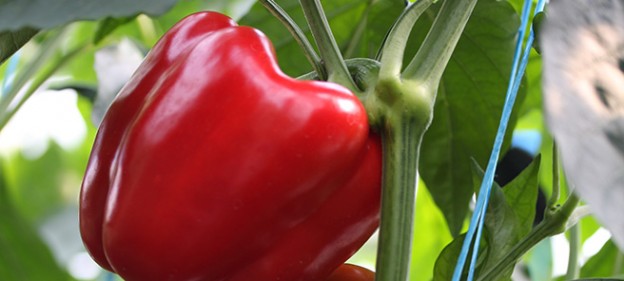
Capsicum is a major Australian crop, with about 7% grown under protected cropping and the remainder produced in the open field. The production areas have been declining in recent years, however capsicum remains a major crop for the Australian vegetable industry.

Optimal temperatures for capsicum production are 20-25C, resulting in yields of around 30t/ha (field production).

  • At high temperatures (32C) pollen viability is reduced, resulting in lower fruit set
  • High temperatures also increase the risk of sunburn, particularly under extreme conditions
  • Breeding for high temperature tolerance is difficult because of the impacts on fundamental physiological processes affecting pollen development and release. However, the Asian Vegtable research and Development Centre is currently working on varieties with tolerance up to 32C
  • At the lower threshold for capsicum growth (8-10C) fruit fail to develop normal size and shape
  • Breeding for low temperature development is achievable, with varieties potentially available that tolerate night temperatures of 8-10C