Tag Archives: mitigation

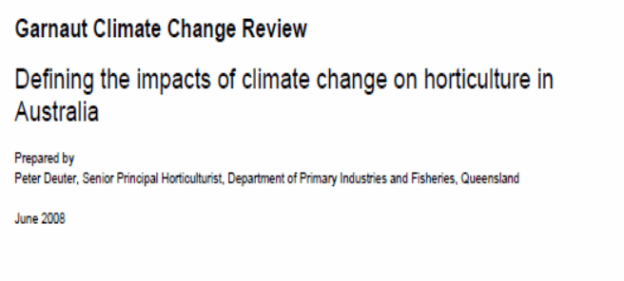
Defining the impacts of climate change on horticulture in Australia

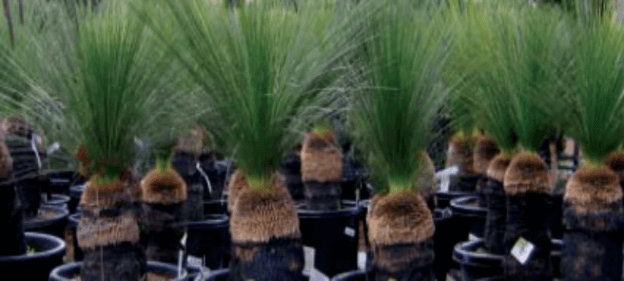
This review provides a clear indication of impacts of climate change on Australian horticulture where data is available, and relies on extrapolations of this to other horticultural commodities and production regions. Climate change will impact horticultural commodities and regions through all of the following:

  • changes in the suitability and adaptability of current cultivars as temperatures change, together with changes in the optimum growing periods and locations for horticultural crops
  • changes in the distribution of existing pests, diseases and weeds, and an increased threat of new incursions
  • increased incidence of physiological disorders such as tip burn and blossom end rot
  • greater potential for downgrading product quality e.g. because of increased incidence of sunburn
  • increases in pollination failures if heat stress days occur during flowering
  • increased risk of spread and proliferation of soil borne diseases as a result of more intense rainfall events (coupled with warmer temperatures)
  • increased irrigation demand especially during dry periods
  • changing reliability of irrigation schemes, through impacts on recharge of surface and groundwater storages
  • increased atmospheric CO2 concentrations will benefit productivity of most horticultural crops, although the extent of this benefit is unknown
  • increased risk of soil erosion and off-farm effects of nutrients and pesticides, from extreme rainfall events
  • increased input costs—especially fuel, fertilisers and pesticides
  • additional input cost impacts when agriculture is included in an Emissions Trading Scheme (ETS).

The impacts described in this paper refer mainly to the vegetable and fruit industries (excluding the wine industry), with some references being made to ‘lifestyle horticulture’ (turf, floriculture and ornamental’s).
Click here for the full report

Climate change and the Australian horticulture industry

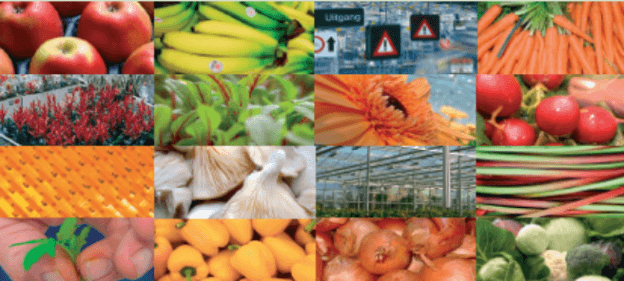
This brochure is produced by Horticulture Australia Limited (HAL) and the Climate Change Research Strategy for Primary Industries (CCRSPI) network to provide growers with information about:

  •  predicted climate change impacts on horticulture,
  •  research underway to assist growers to respond to climate change,
  •  practical measures to mitigate and adapt to the challenges and opportunities presented by climate change, and
  •  a glossary of commonly used climate change terms.

Click here for the full article

Assessment of life cycle greenhouse gas emissions from horticultural products

This Publicly Available Specification (PAS) contains requirements supplementary to PAS 2050 for the assessment of greenhouse gas (GHG) emissions from the life-cycle of horticultural products.
The purpose of these supplementary requirements is to aid consistent application of the PAS 2050 to the horticulture sector by providing:

  • a horticultural focus for aspects of the PAS 2050 assessment where options are permitted;
  •  rules or assessment requirements that are directly relevant to the main sources of emissions from horticulture; and
  • clarity on how to apply specific elements of the PAS 2050 assessment within the horticultural sector.

PAS 2050-1 is provided for use in conjunction with PAS 2050 to provide an homologous method for the reliable, repeatable assessment of GHG emissions from the whole life cycle of horticultural products. However, the supplementary requirements provided in PAS 2050-1 relate only to the cradle-to-gate stages of the life cycle and for all subsequent stages (i.e. retail, use and end-of-life) the requirements of PAS 2050 apply.

Click here for the full report

Note: PAS 2050 sets out generic requirements for undertaking a GHG emissions assessment, such as transport, energy use, data quality rules etc whilst PAS 2050-1 provides supplementary requirements and additional guidance on those elements that have been found to present particular difficulties in an horticultural context such as land use change and allocation.