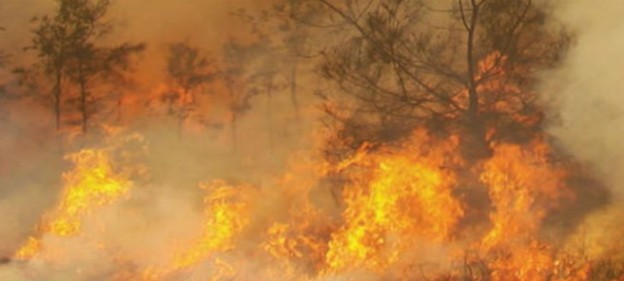
Hot, dry conditions have a major influence on bushfires. Climate change is making hot days hotter, heatwaves longer and more frequent while some parts of Australia are becoming drier. Australia is a fire prone country and has always experienced bushfires, these conditions are driving up the likelihood of very high fire danger weather, especially in the southwest and southeast. All extreme weather events are now being influenced by climate change because they are occurring in a climate system that is hotter and moister than it was 50 years ago.
Broadly Australia has two main fire seasons:
- a northern fire season where bushfires occur over winter during the northern dry season and,
- a southern fire season that occurs later in the year during the lead up to summer
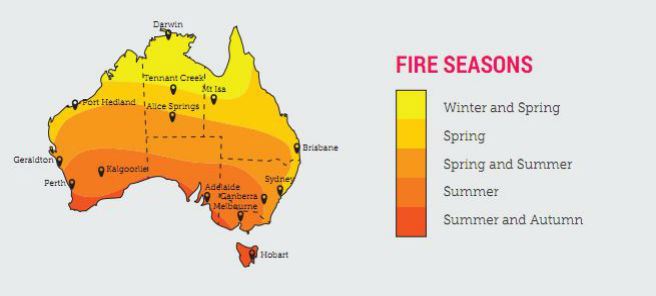
Bushfire seasons across Australia. (Source: Bureau of Meteorology, 2009)
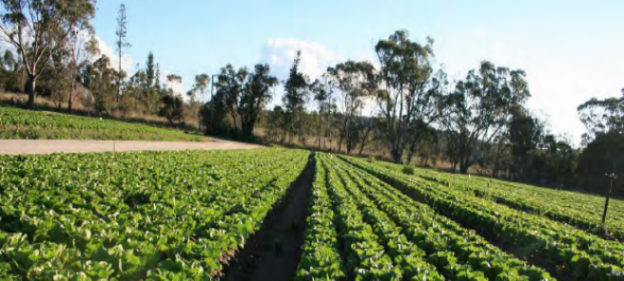
Uncontrolled bushfires can cause significant losses to crops and farming infrastructure such as fences and machinery. In the absence of physical damage, smoke from the fire can taint fruit and vegetable crops, wine grapes are particularly susceptible.
Bushfires can reduce water availability through damage to water infrastructure. Water quality and quantity in water catchments can also be affected by bushfire both in the short and long-term. Large-scale high intensity fires that remove vegetation in catchment areas expose topsoil to erosion and increased run off. This impacts water quality through increased sediment and nutrient concentrations in waterways, potentially making water supplies unfit for human consumption.
In the long-term fire can also affect water flow in forested catchments. As the forest regenerates after the fire the new active growth uses more water than the mature trees they have replaced. The best example of this effect is in the mountain ash forests of Victoria. Seven years after the 2003 fires the regrowth is still using twice the amount of water compared to mature vegetation in nearby forests. This pattern is called the “Kuczera effect” and can last for several decades (until the replacement trees mature). In such cases water yields from forested catchments may be reduced by up to 50%.
A recent study by Keating and Handmer (2013) provides a full economic assessment of the impacts of bushfires on primary industry. The study estimates that bushfire damage to the agricultural industry currently costs the Victorian economy $92 million per annum, this is also likely an underestimation.
The full Climate Council Be Prepared:Climate change and the Australian bushfire threat report can be accessed here