Tag Archives: climate change modelling

Critical temperature thresholds-Lettuce case study

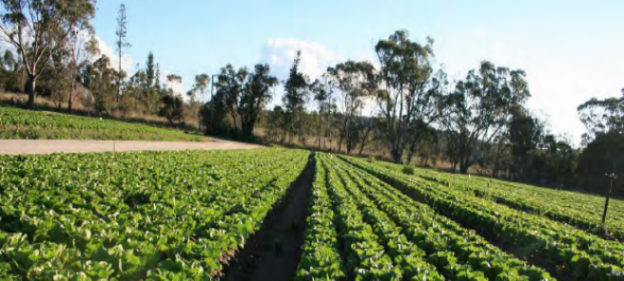
Lettuce (Lactuca sativa L.) is an annual vegetable from the Asteraceae family. It is grown in all states of Australia and continents throughout the world, and is consumed mainly as a salad vegetable. The main lettuce production regions in Australia are the Lockyer Valley and Eastern Darling Downs (SE Qld); Hay and Central West (NSW); Lindenow and Robinvale (Vic); Manjimup and Gingin (WA); Virginia (SA) and Cambridge, Richmond and Devonport (Tas).

The purpose of this case study is to project temperature changes in Australian lettuce growing regions and determine the impact of temperature increases on lettuce production.
Click here for the full report

What carbon footprinting tools are currently available?

This paper reviews four models which might be adapted for greenhouse gas accounting within the vegetable industry, namely: the

  • Grains Greenhouse Calculator (DPI Victoria),
  • CarboNZero (New Zealand Crown Research Institute),
  • FullCAM (Australian Department of Environment and Heritage) and
  • APSIM (Agricultural Production Systems Research Unit). 

The selection of these tools was based on the scope and scale of emission accounting; scientific credibility and; suitability for use in Australian agricultural systems. They are also representative of the types of agricultural greenhouse calculators that are available worldwide. Key attributes relating to the design, scope, methodology, operation, availability, and apparent strengths and limitations are described for each tool. Individually, these tools do not appear to be suitable for immediate application in the vegetable industry and investment is required to address apparent scientific, design and operational limitations. However, collectively they capture the key attributes and functions required to develop a vegetable greenhouse accounting calculator.

Click here for the full article

CSIRO Climate Change Report 2011

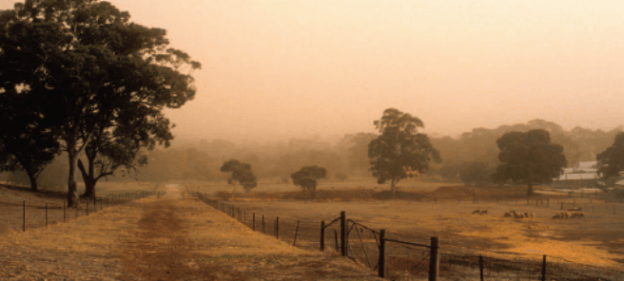
This book seeks to provide a bridge from the peer-reviewed scientific literature to a broader audience of society while providing the depth of science that the complex issue demands and deserves. The chapters cover what we have already observed in the global and Australian climate; how greenhouse gases affect climate; our modelling of the future; how we might adapt to and prepare for climate change and how we might mitigate to reduce greenhouse emissions. These aspects are all important as we seek a comprehensive response to climate change.

Click here for the full article