
Author Archives: Gordon Rogers

Beetroot

Only a few years ago the majority of Australian beetroot was grown for processing. As the processing industry has declined, so has the amount of beetroot grown, although increased demand for fresh beetroot has provided some benefit. Total production is now estimated at approximately 36kt / year, with a value of up to $10-$14million. Hybrid beetroot has extended the traditional growing season by replacing industry standard open pollinated varieties.

Beetroot grows best between 18 – 25C. It is susceptible to hot temperatures, with 27C potentially causing bolting, poor colour and root shape. In particular, high temperatures can cause light and dark rings to form in the root (zoning) which is undesirable for processing. High soil temperatures also increase problems with “damping off” diseases.

The major issue with low temperatures (5C or less) is exacerbation of nutrient disorders such as boron deficiency, as well as “hollow heart” caused by calcium and boron deficiency.

Breeding to extend the upper limit for beetroot of 27C should be a priority, but it is not known whether any breeding programs are currently addressing this issue.

 

Cauliflower

Cauliflower has tended to decline as a major vegetable crop, with a total production value of $49.8 million in 2009. Annual production is now estimated at 75kt/year. It is a cool season crop grown mainly in Victoria and Queensland, with smaller amounts grown in other states.

The optimal range for cauliflower growth is 15-18C, under which conditions yields may be 23-30 t/ha. Although cold temperatures, even down to zero, can reduce yield by around 15%, many cauliflowers have excellent cold tolerance, allowing them to be grown over winter for spring harvest. High temperatures are more of a problem, as 32C and above can cause bolting, yellowing of the curd and uneven floret development.

Tropical and sub-tropical genetics is available from india for early-maturing cauliflowers which can produce heads in 56-63 days. These varieties are already used by commercial seed companies in Asia, such as EastWest seeds.

Long-day overwintering types have been developed for Northern Europe and could be grown in some areas.

Sweet corn

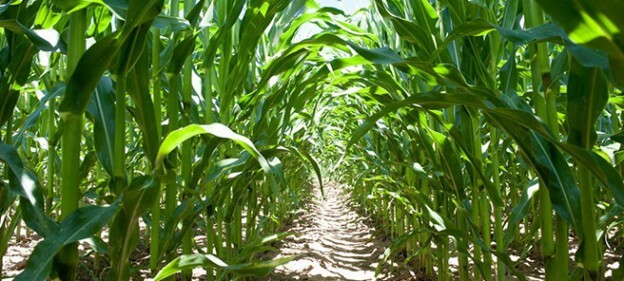
Sweet corn is a major warm-season vegetable crop in Australia, with an annual value of production around $480million. Sweet corn is sown by direct seeding and is unusual among vegetables in that it is a monocotyledon plant (grass) rather than dicotyledon (broadleaf). It also uses a different form of photosynthesis to most vegetables – C4 rather than C3 – which is well adapted to warm conditions.

Sweet corn grows best between 24 – 30C. Prolonged temperatures above 32C can reduce pollen germination to zero, resulting in failure of kernels to develop on the cob. A few days at 32C can reduce yield by 30%. Below 12C sweet corn seeds can fail to germinate, emergence is reduced, and phosphorous uptake is limited.

Sweet corn is not usually planted until soil temperatures reach 15C. The challenge for plant breeders is to develop strains that will still germinate in cold (12C) wet soil earlier in spring.

Breeding for heat tolerance would also be useful. However, there are no known breeding programs currently addressing this issue.